

Exterior
Clear Safety


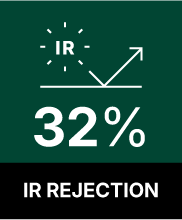
LACUNA Exterior Clear Safety Window Film is designed for external applications, providing durable protection against impacts, vandalism, and environmental damage while maintaining optical clarity. It reinforces windows without compromising their functionality or appearance, making it ideal for specialized glass technologies that require external protection.
By acting as a protective shield, this film preserves the integrity and aesthetic value of windows, ensuring long-term durability against physical wear and harsh environmental conditions.
Measurements
Benefits
- Optically Clear Visibility
- Advanced Safety Capabilities
- Aesthetic Enhancement
- Energy Cost Reduction
- Multi-Layered Nano Technology
- Maximum Protection
- UV Rejection
- Exterior Installation
Exterior Clear Safety
LACUNA Exterior Clear Safety Window Film is designed for external applications, providing durable protection against impacts, vandalism, and environmental damage while maintaining optical clarity. It reinforces windows without compromising their functionality or appearance, making it ideal for specialized glass technologies that require external protection.
By acting as a protective shield, this film preserves the integrity and aesthetic value of windows, ensuring long-term durability against physical wear and harsh environmental conditions.
Measurements
Benefits
- Optically Clear Visibility
- Advanced Safety Capabilities
- Aesthetic Enhancement
- Energy Cost Reduction
- Multi-Layered Nano Technology
- Maximum Protection
- UV Rejection
- Exterior Installation
Frequently Asked Questions
Blog

Windows and glass doors are often among the most vulnerable points of a building. Breaking standard glass can create an[...]

Modern architecture relies heavily on glass to create stunning aesthetics, maximize natural light, and offer breathtaking views. However, this design[...]

In the United States, commercial property management requires a proactive approach to building resilience. From the high-rise office towers of[...]
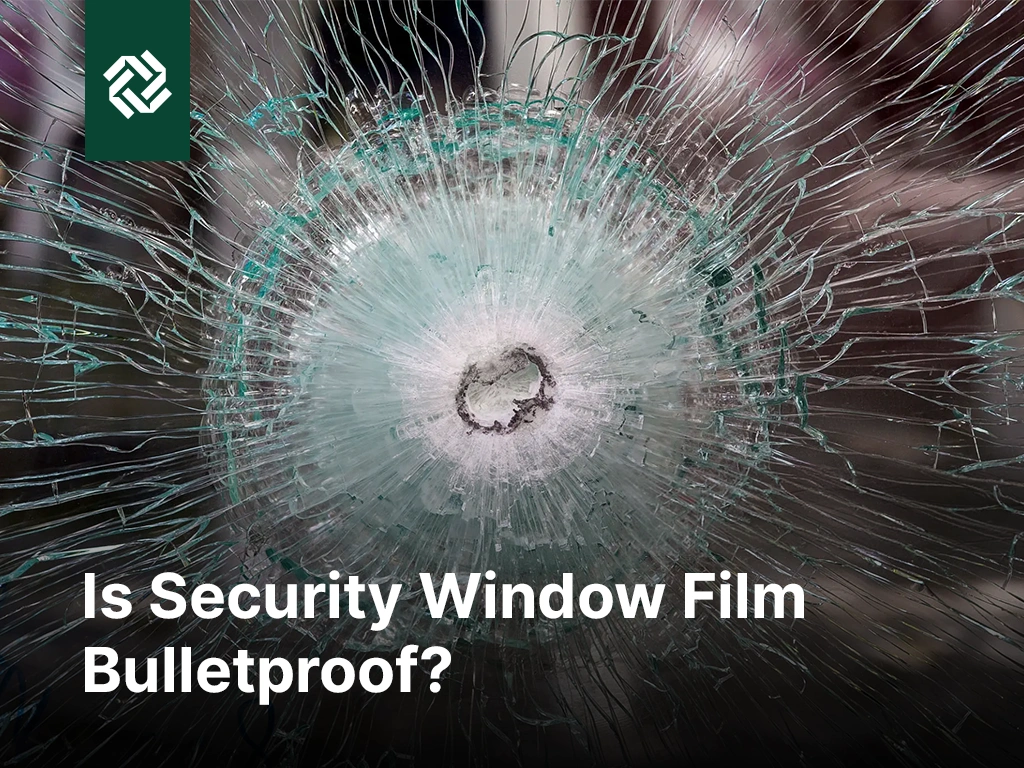
When it comes to upgrading building security, safety and security window film is often the first line of defense. However,[...]

Glass defines modern architecture bringing light, openness, and visibility. Yet under impact, it remains one of the most vulnerable elements[...]

Securing your home or business is essential to creating a safe environment for loved ones, guests, and employees. Since[...]
Blog
-
Windows and glass doors are often among the most vulnerable points of a building. Breaking standard glass can create an[...]
-
Modern architecture relies heavily on glass to create stunning aesthetics, maximize natural light, and offer breathtaking views. However, this design[...]
-
In the United States, commercial property management requires a proactive approach to building resilience. From the high-rise office towers of[...]
-
When it comes to upgrading building security, safety and security window film is often the first line of defense. However,[...]
-
Glass defines modern architecture bringing light, openness, and visibility. Yet under impact, it remains one of the most vulnerable elements[...]
-
Securing your home or business is essential to creating a safe environment for loved ones, guests, and employees. Since[...]
Stay Updated
Let’s Explore What We Can Achieve Together!
By submitting the form you agree to The Lacuna LLC Terms & Conditions and Privacy Policy.